
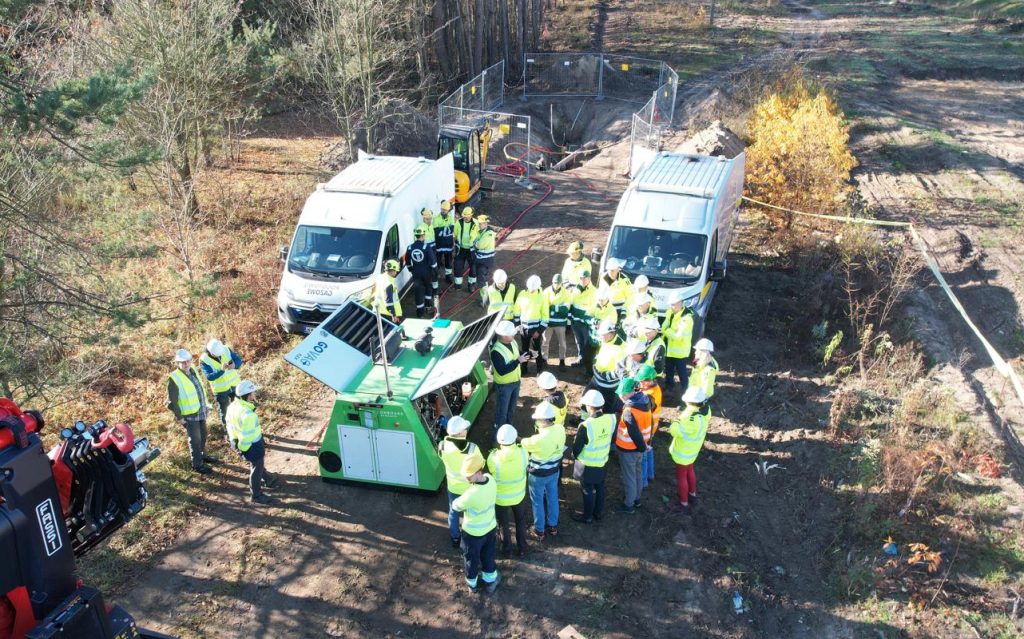
Methane reduction is no longer a future goal—it’s an operational mandate. With the introduction of EU Regulation 2024/1787, energy operators across Europe are facing stricter requirements to curb emissions, including a ban on routine venting and flaring and a clear expectation to deploy gas recovery solutions wherever feasible.
This shift is especially impactful for pipeline maintenance, where gas releases have historically been considered unavoidable. Today, that assumption is being challenged—and replaced—with proven, field-ready alternatives.
From Research to the Stage: PTC Berlin
Earlier this month, Dan Pedersen, Director of Product Technology at Onboard Dynamics, presented this topic at the Pipeline Technology Conference (PTC) in Berlin.
The presentation was based on a collaborative research paper developed with TD Williamson, combining expertise from both organizations to address one of the industry’s most pressing challenges: how to eliminate methane emissions during pipeline maintenance activities in a practical, scalable way.
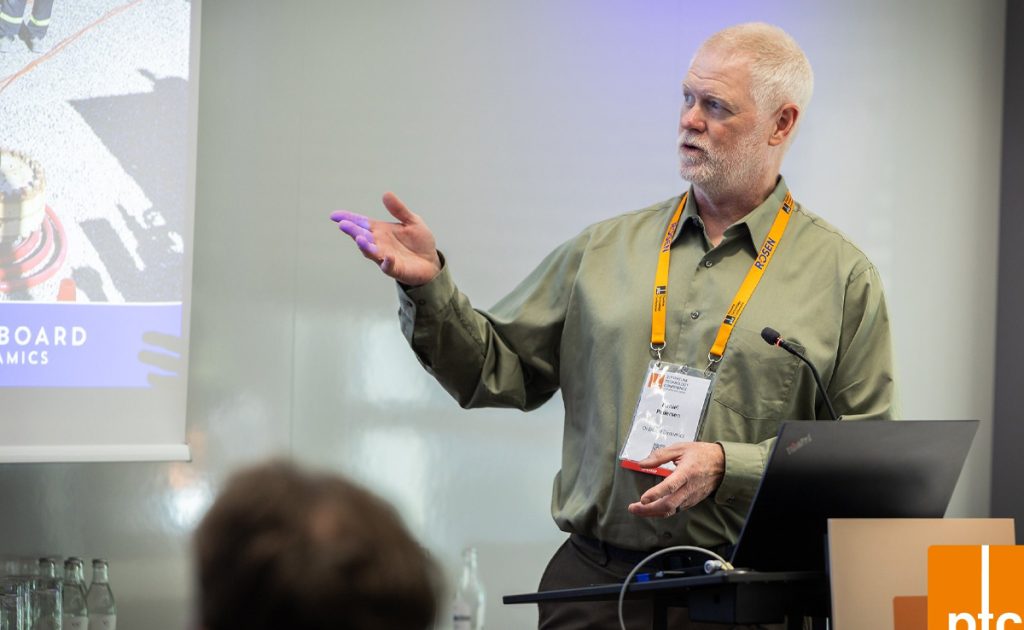
In his session, Dan shared how evolving regulations—particularly in the EU—are accelerating the adoption of field-proven solutions like mobile recompression, and how operators are already applying these systems in real-world projects.
The strong engagement at PTC highlighted a clear industry trend: methane mitigation is no longer optional—it’s a core operational priority.
The Challenge: Maintenance Without Emissions
Pipeline maintenance, repair, and decommissioning activities often require depressurizing sections of pipe. Traditionally, this meant:
- Venting methane directly into the atmosphere
- Flaring gas, converting methane to CO₂ but still contributing to greenhouse gases
Under the new EU regulation, these practices are increasingly restricted. Operators must now find ways to perform necessary maintenance without releasing methane—a requirement that calls for both innovation and practicality.
The Solution: Mobile Recompression
Mobile recompression systems are emerging as a highly effective solution.
These systems are deployed directly in the field to:
- Capture natural gas from pipelines during maintenance
- Compress and transfer the gas to another section of the system or into storage
- Eliminate the need for venting or flaring
Because they are mobile, these systems can be rapidly deployed across a wide range of operating environments—from urban infrastructure to remote or logistically complex sites.
Real-World Application: From Theory to Practice
As highlighted in Dan Pedersen’s PTC presentation, mobile recompression isn’t just a conceptual solution—it’s already being used successfully in real-world operations.
Operators are integrating these systems into their workflows to:
- Maintain compliance with evolving methane regulations
- Reduce environmental impact without compromising safety
- Preserve product that would otherwise be lost
- Improve operational efficiency during planned and unplanned maintenance
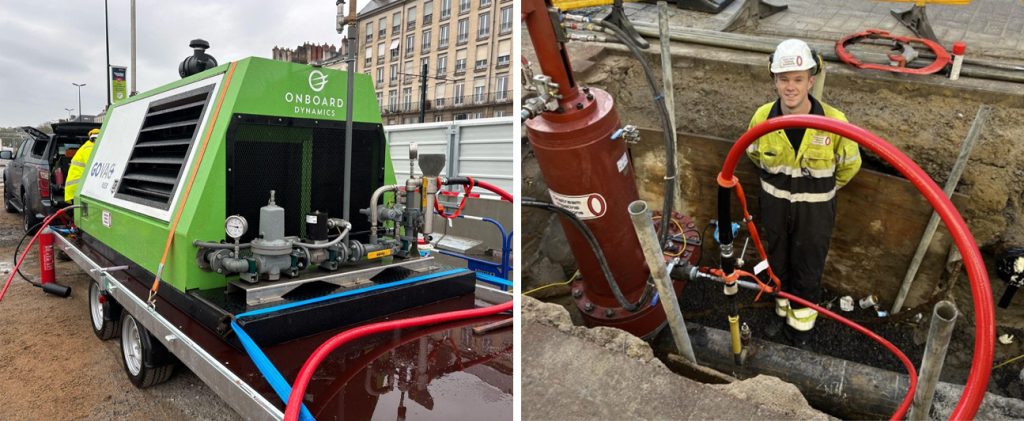
These field applications demonstrate that emissions-free pipeline maintenance is not only achievable—it’s scalable.
Key Considerations for Implementation
As operators evaluate mobile recompression, several factors come into play:
1. System Capacity
Selecting the right system size is critical to match pipeline pressure, volume, and project duration.
2. Deployment Logistics
Mobility is a major advantage, but planning is still required to ensure smooth setup, operation, and demobilization.
3. Workflow Integration
Successful implementation means aligning recompression with existing maintenance procedures and safety protocols.
4. Broader Methane Strategy
Mobile recompression is most effective when used as part of a comprehensive methane mitigation strategy, alongside detection, measurement, and reporting initiatives.
Supporting EU Climate Goals
By enabling safe, controlled gas evacuation, mobile recompression directly supports the EU’s broader environmental objectives. It provides a practical, field-level solution that aligns operational realities with regulatory expectations.
For operators, it’s a rare combination:
✅ Compliance
✅ Emissions reduction
✅ Operational efficiency
Read the Full Paper
Dan Pedersen’s presentation at PTC Berlin—developed in collaboration with TD Williamson—is based on a detailed research paper exploring these concepts in depth, including real-world case studies and technical insights.
👉 Download the full paper here:
Note: You’ll need to register as a PTC member on the site to access the full paper.